In today’s automotive manufacturing industry, selecting materials that meet stringent technical requirements is paramount to the success of engine component production. The demands placed on materials within automotive engines are multifaceted and exacting, necessitating properties such as exceptional wear resistance, high-temperature performance, corrosion resistance, and mechanical strength.

Austenitic stainless steel 316L stands out as a material of choice for automotive engine components due to its unique combination of attributes. Notably, its austenitic microstructure contributes to its remarkable formability and weldability, allowing for intricate designs crucial to optimizing component efficiency.
Sphericity Picture

The high chromium and nickel content in stainless steel 316L imparts superior resistance to chloride-induced pitting corrosion, a critical advantage given the harsh chemical environments encountered within engines. This resistance ensures prolonged durability and reliability, crucial factors in enhancing the operational lifespan of automotive components.
Chemical composition
| Material Ingredient | Test Results | Test Reference Standard |
| Molybdenum | 2.0–3.0 | GB/T 14265 GB/T 23942 |
| Fe | balance | |
| ChromiumCr | 16.0–18.0 | |
| NickelNi | 10.0-14.0 | |
| Phosphorus P | ≤0.03 | |
| Sulfur S | ≤0.03 | |
| Oxygen O | ≤0.06 | |
| Carbon C | ≤0.03 | |
| Silicon | ≤1.00 | |
| NitrogenN | ≤0.1 | |
| ManganeseMn | ≤2.00 | |
| the Size of Granule(um) | D10=18.4μm | GB/T19077 |
| D50=31.1μm | ||
| D90=51.4μm |
The thermal stability of stainless steel 316L plays a pivotal role in enabling components to withstand elevated temperatures experienced during engine operations. Its ability to endure extreme thermal cycling without compromising structural integrity is instrumental in maintaining performance under demanding conditions. Furthermore, the excellent machinability of stainless steel 316L facilitates intricate detailing and precision machining, resulting in high-quality, custom-engineered components tailored to specific automotive applications. Its compatibility with various surface treatments and coatings enhances the aesthetic appeal and functional performance of engine parts, meeting both technical specifications and design aesthetics.
Mechanical Properties

Additionally, the stability of stainless steel 316L makes it a suitable material for components that come in contact with fluids and gases in the engine system. This characteristic ensures that automotive engine components manufactured from 316L maintain purity and prevent contamination of essential fluids, contributing to the overall reliability and safety of the vehicle.
Furthermore,the non-magnetic nature of stainless steel 316L is advantageous for certain automotive applications where magnetic interference must be minimized. In sensitive sensor systems or electronic components within engines, utilizing non-magnetic materials like 316L helps maintain signal integrity and prevents disturbances, ensuring precise operation and accurate data transmission.
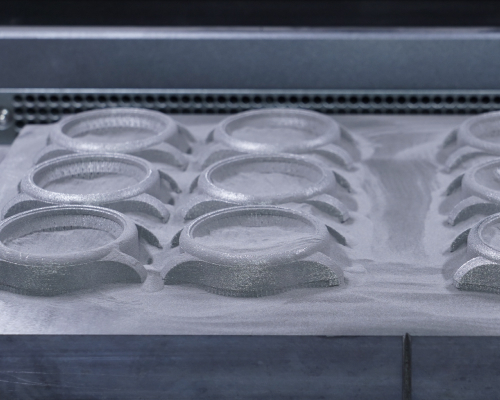
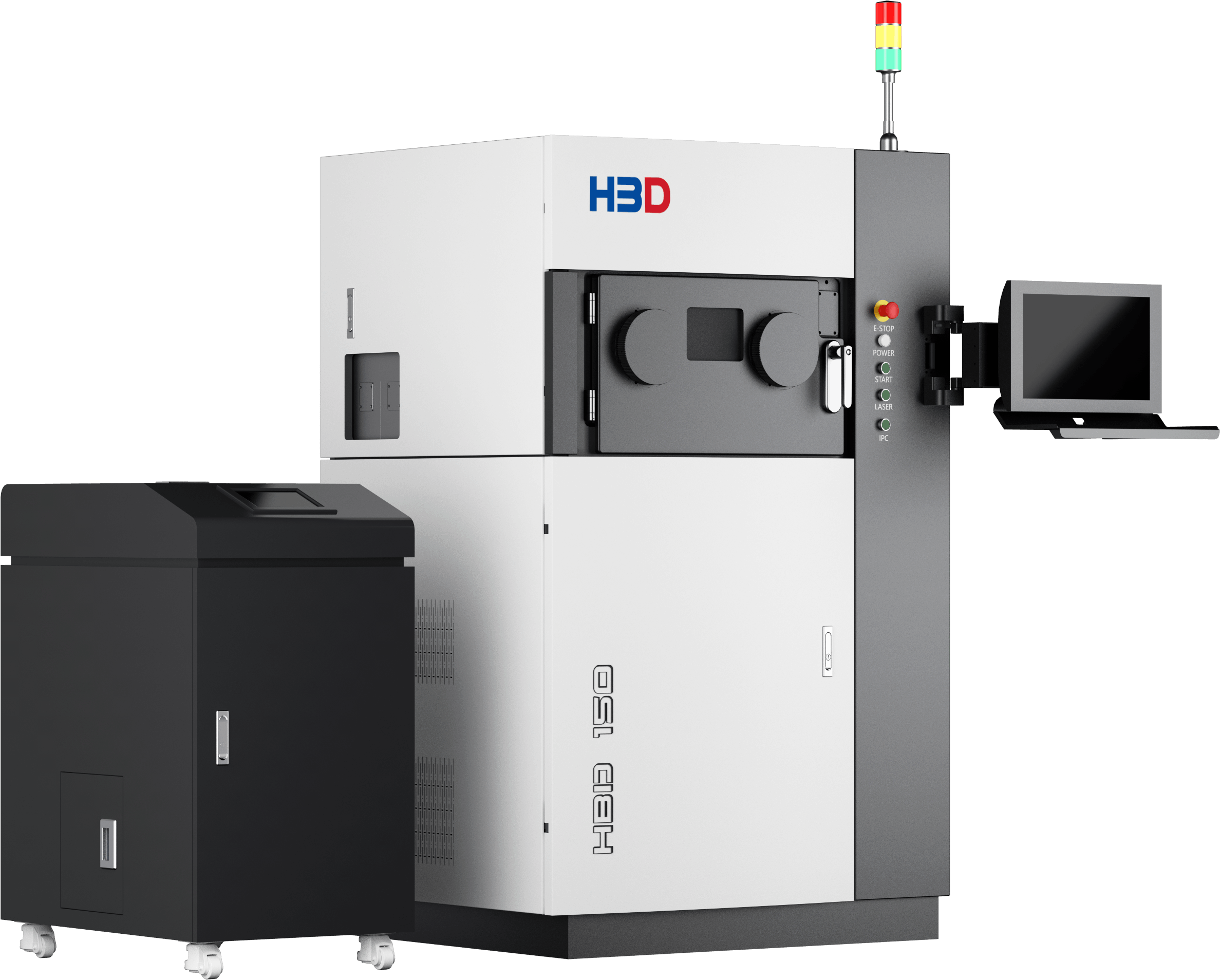
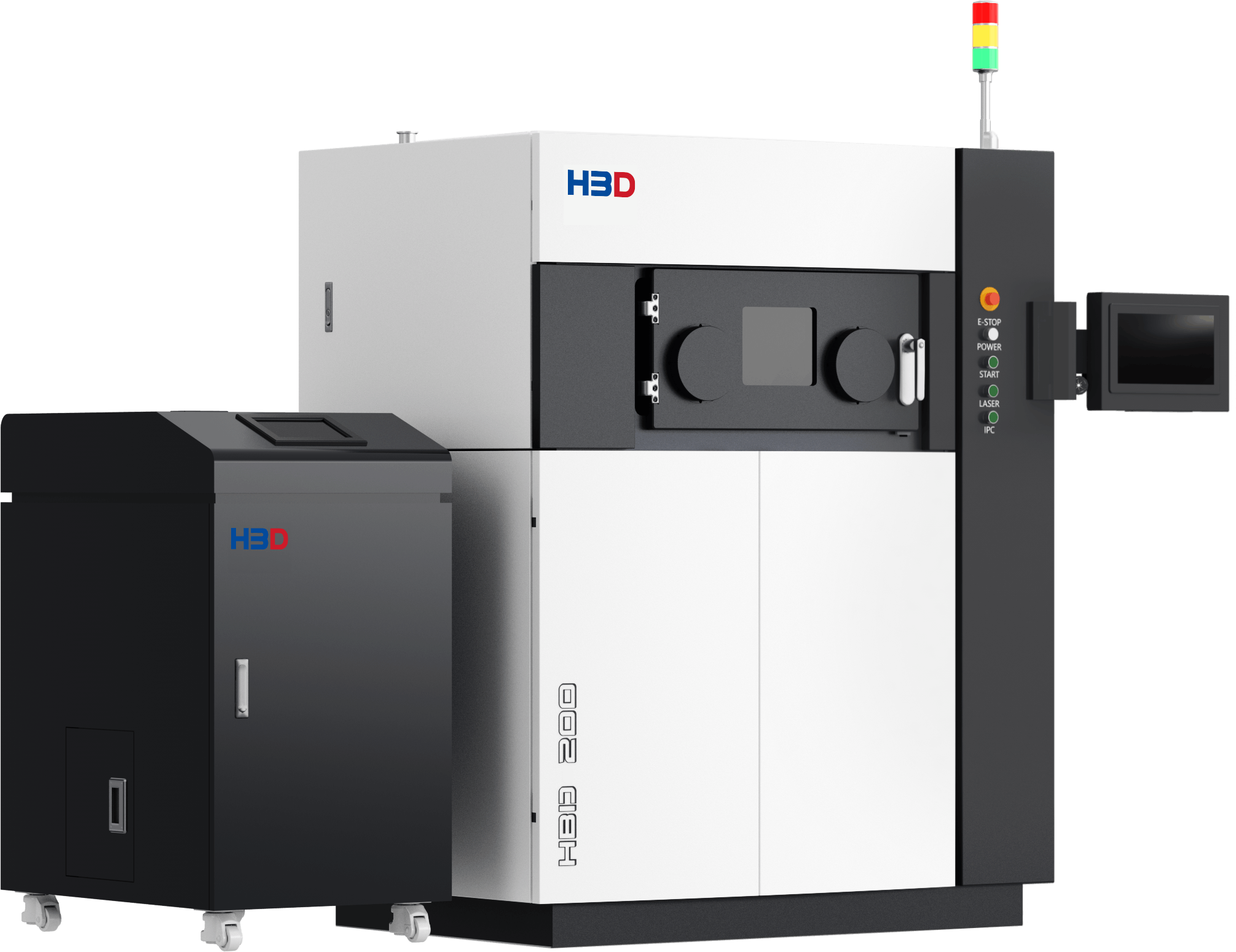
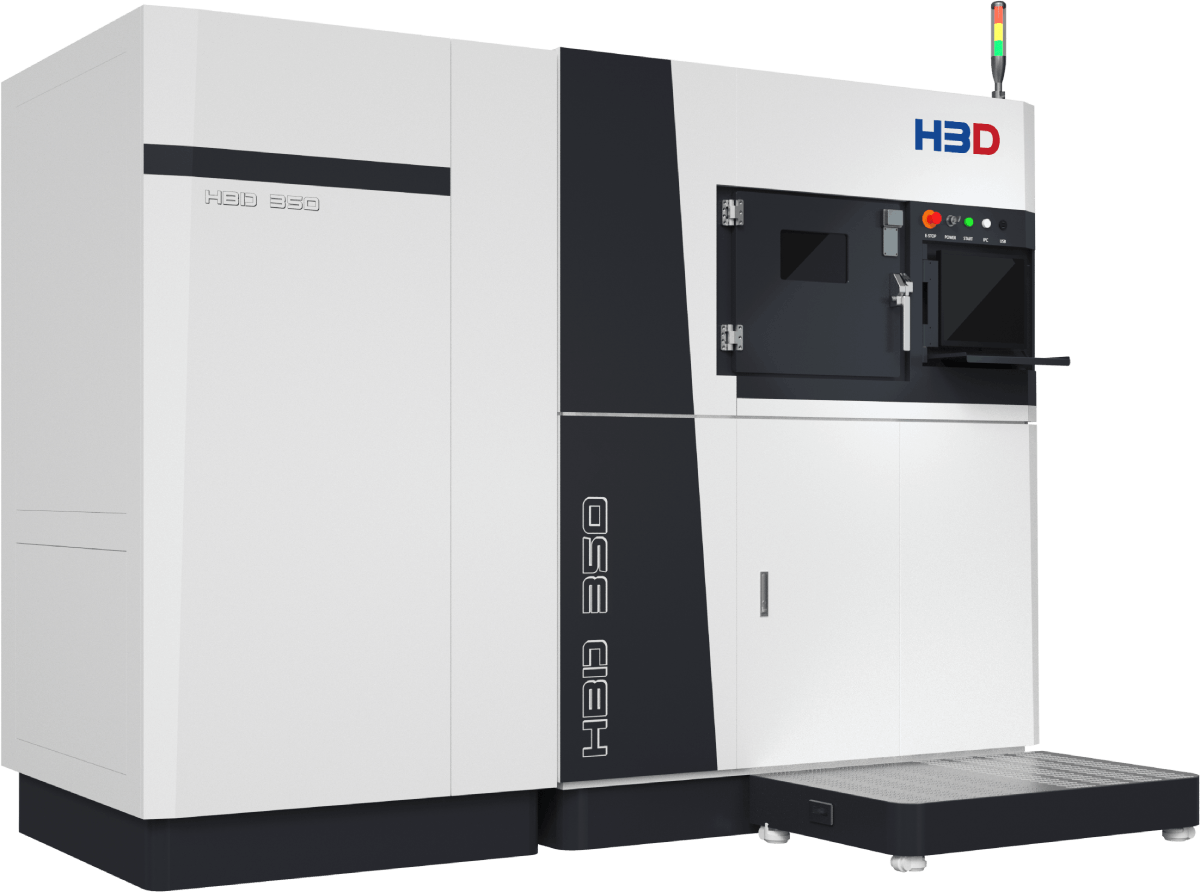
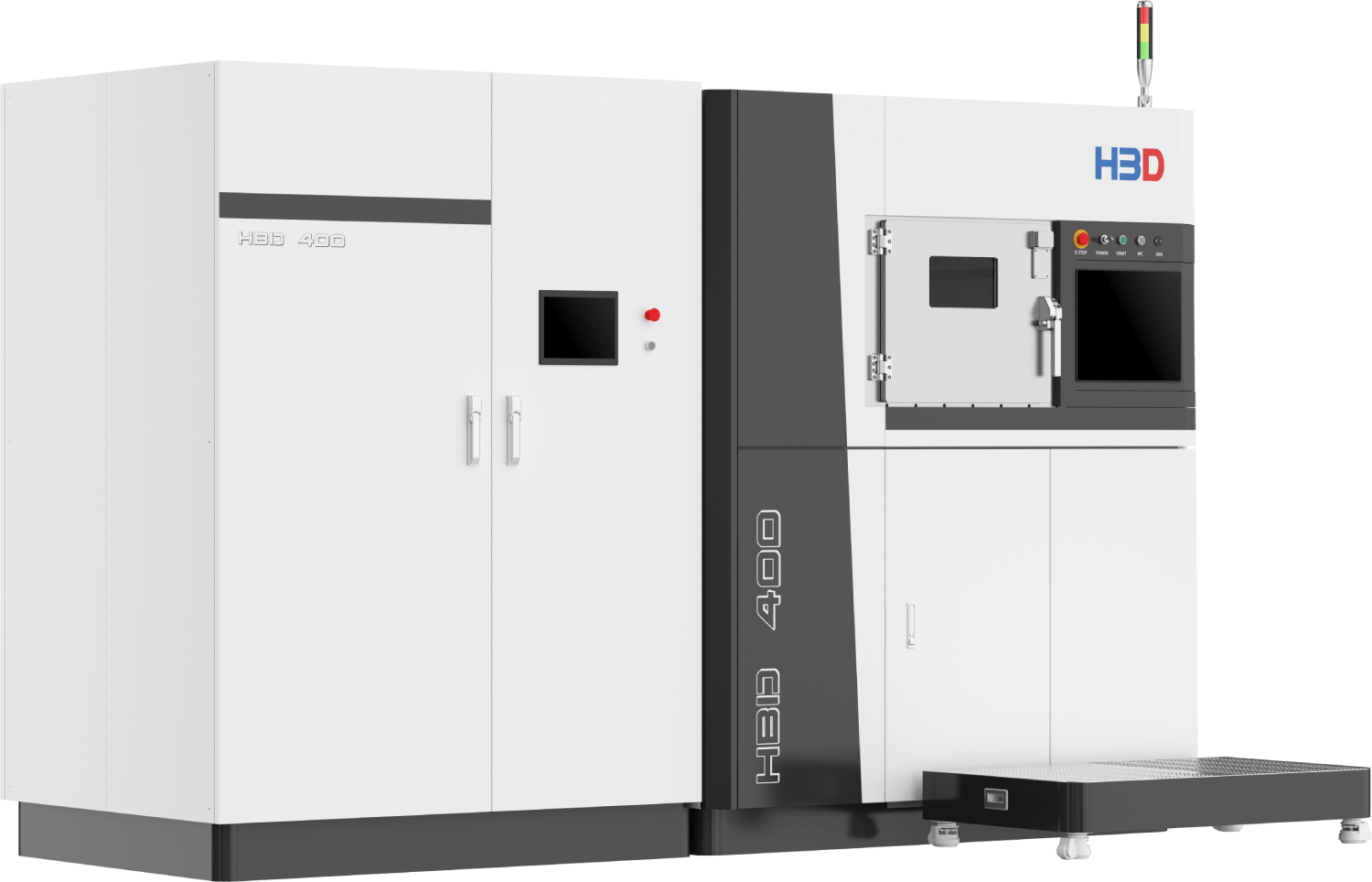
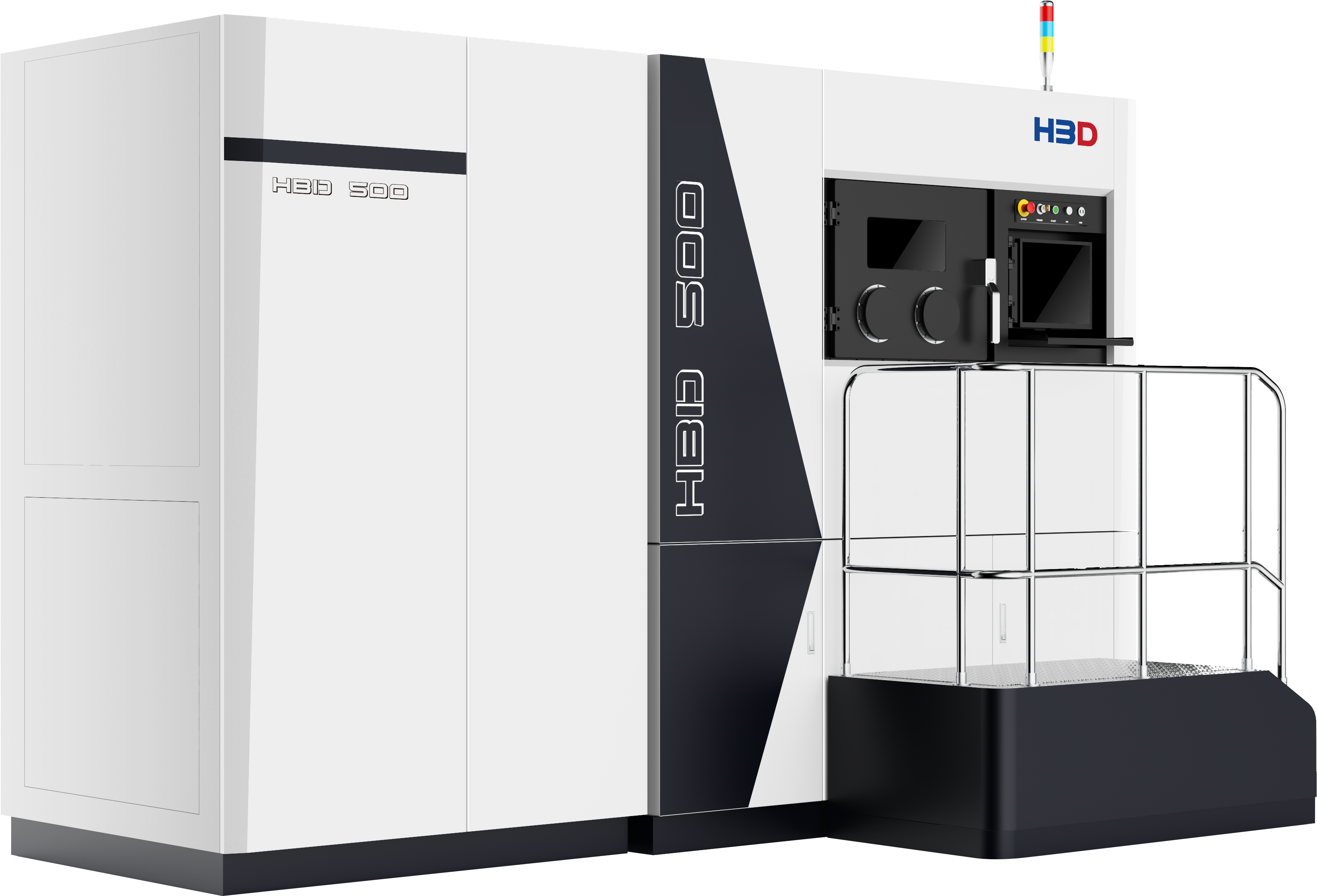
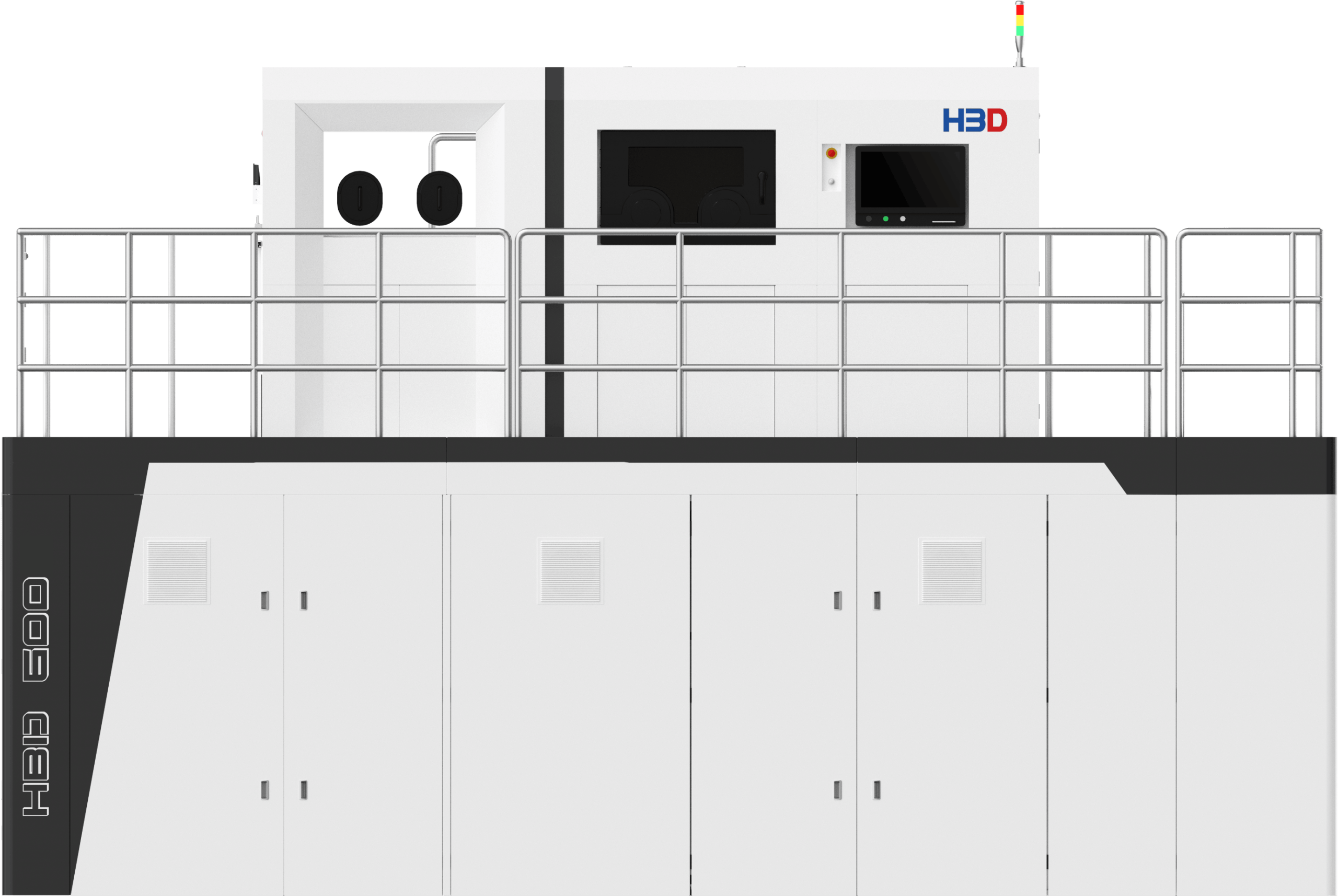
Traditional manufacturing of automotive engine components using stainless steel 316L often faces challenges like high costs and long production cycles. However, metal 3D printing technology effectively addresses these issues.

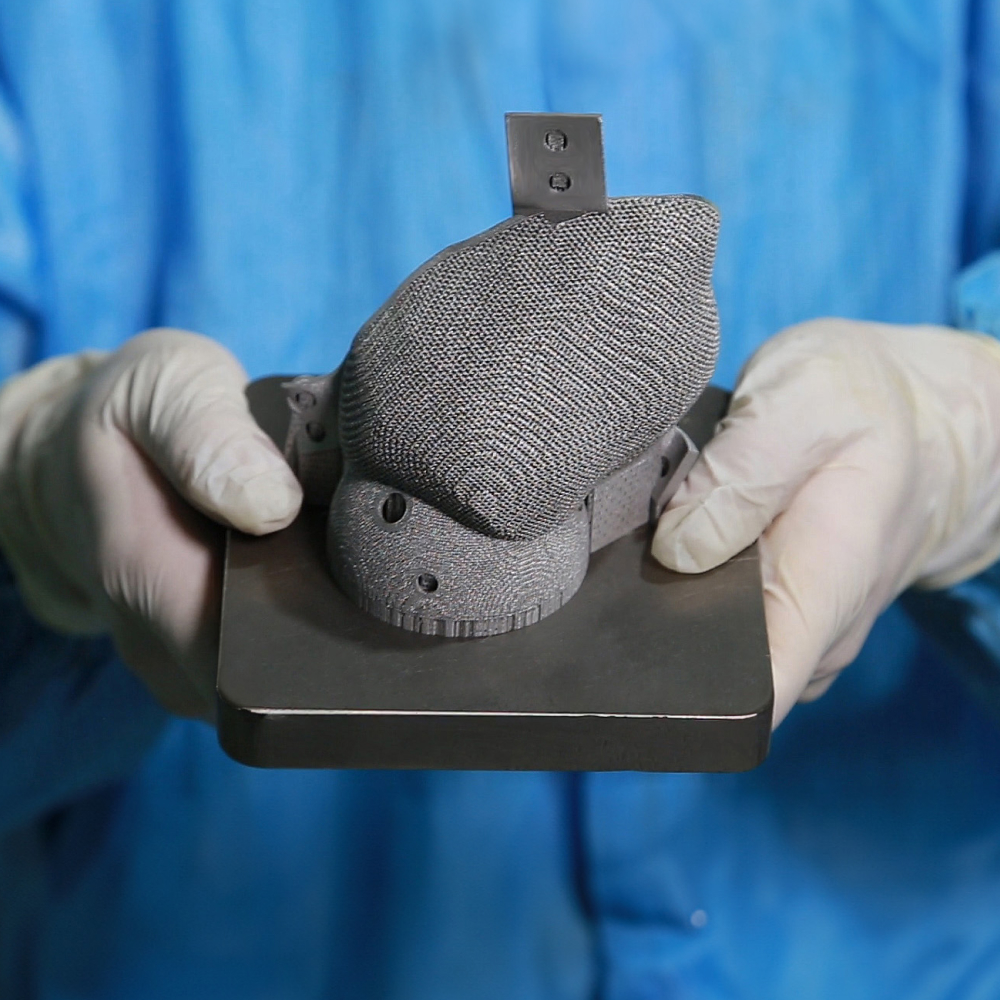
Metal 3D printing technology revolutionizes the production landscape by offering capabilities beyond traditional manufacturing methods. The precise control over material deposition allows for the creation of complex geometries with reduced material waste, consequently enhancing resource efficiency and sustainability in automotive component manufacturing. Furthermore, the application of metal 3D printing technology enhances the durability and strength of parts. With traditional methods, parts may have weak points or stress areas, leading to damage or failure. By utilizing metal 3D printing technology, parts with uniform strength and durability can be designed, thus reducing the likelihood of faults or damage.
By leveraging the inherent benefits of stainless steel 316L alongside the innovative capabilities of additive manufacturing, automotive manufacturers can unlock new possibilities for intricate part fabrication and performance optimization.